

Your shopping cart is currently empty. This is the topic Named: emptycarttext. You edit this in the ADMIN site.
Pros and Cons of Spray vs. Brush Painting for Military Jeeps (11/4/2026)
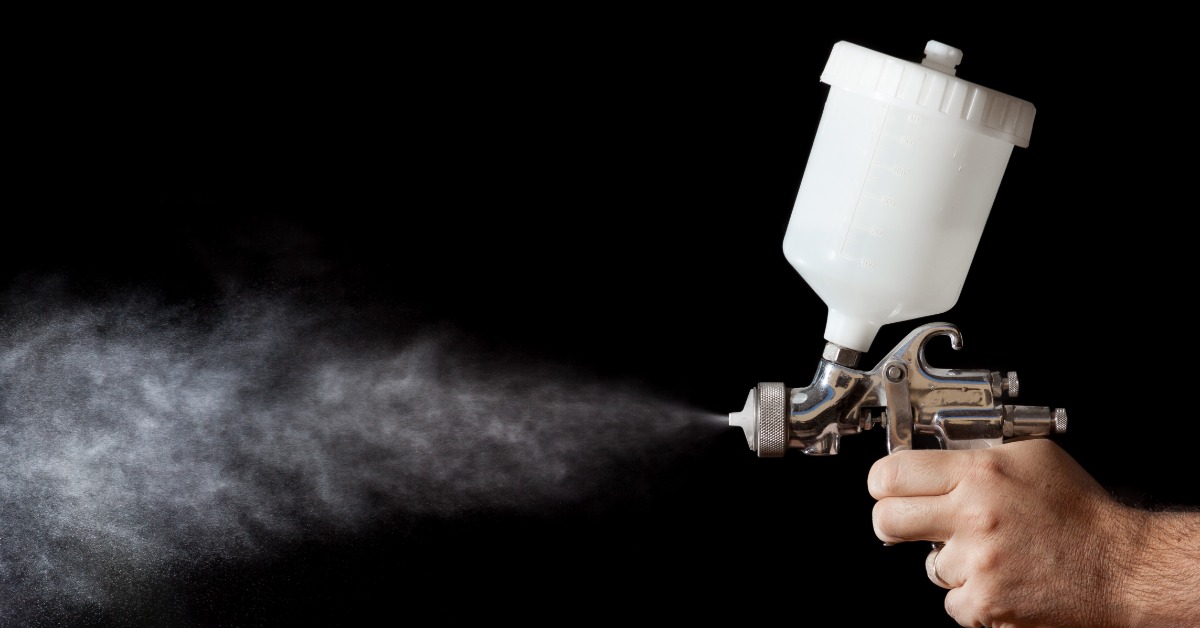
Restoring a military Jeep requires careful attention to its exterior finish, particularly when preserving historical accuracy. Spray painting and brush painting offer different advantages, but each method also presents challenges that can affect the final appearance. Whether working on a WWII-era Willys MB or a postwar M38, restorers must consider their equipment, workspace, and desired finish before choosing an application method.
What Are the Advantages of Spray Painting?
Spray painting provides consistent coverage across large surfaces, making it an effective choice for Jeep hoods, fenders, and body panels. A properly adjusted spray gun distributes paint evenly, reducing visible application marks and helping restorers achieve a uniform olive drab finish. This method also allows painters to control coating thickness when they maintain proper spray distance and overlap. For enthusiasts comparing the pros and cons of spray vs brush painting for military Jeeps, spray application offers several advantages:
- Even coverage: Spray guns distribute paint consistently across broad surfaces.
- Faster application: Spraying covers large body panels more quickly than brushing.
- Smooth appearance: Proper technique minimizes visible strokes and uneven paint buildup.
However, spray painting requires more equipment and careful preparation. Overspray wastes material and can settle on nearby components, while improper gun settings may cause runs or uneven coverage. Restorers also need suitable ventilation and respiratory protection that matches the paint manufacturer's safety requirements.
What Are the Advantages of Brush Painting?
Brush painting gives restorers greater control when coating small components and areas that spray guns struggle to reach. This method requires less equipment and eliminates overspray, making it useful for detailed work on brackets and other exposed hardware. Experienced painters can achieve satisfactory results with compatible coatings and careful application.
Brush painting also has drawbacks that can affect the appearance of a completed Willys M38A1 restoration. Brush strokes may remain visible after drying, particularly when painters apply thick coats or use unsuitable brushes. Covering large surfaces also takes longer, and repeated brushing can disturb paint as it begins to set.
How Should Restorers Choose Between Spray and Brush Painting?
Understanding the pros and cons of spray vs brush painting for military Jeeps helps restorers match their technique to the project's requirements. Spray painting generally suits complete body refinishing, while brushing works well for smaller components and localized repairs. Some restorers combine both methods to achieve consistent coverage without sacrificing control in tight spaces.
Regardless of the application method, proper surface preparation remains essential. Remove rust and contamination before applying a compatible primer, then follow the paint manufacturer's instructions for application and curing. Always test the coating on a sample surface to evaluate its appearance before painting the Jeep.
Where Can Restorers Find the Right Painting Supplies?
A successful military Jeep paint job begins with suitable materials and careful planning. Army Jeep Parts offers military vehicle paint and restoration supplies to help enthusiasts maintain period-correct finishes. Contact Army Jeep Parts for assistance selecting paint products that suit your restoration goals.