

Your shopping cart is currently empty. This is the topic Named: emptycarttext. You edit this in the ADMIN site.
Common Questions About Jeep Electrical Systems (10/26/2026)
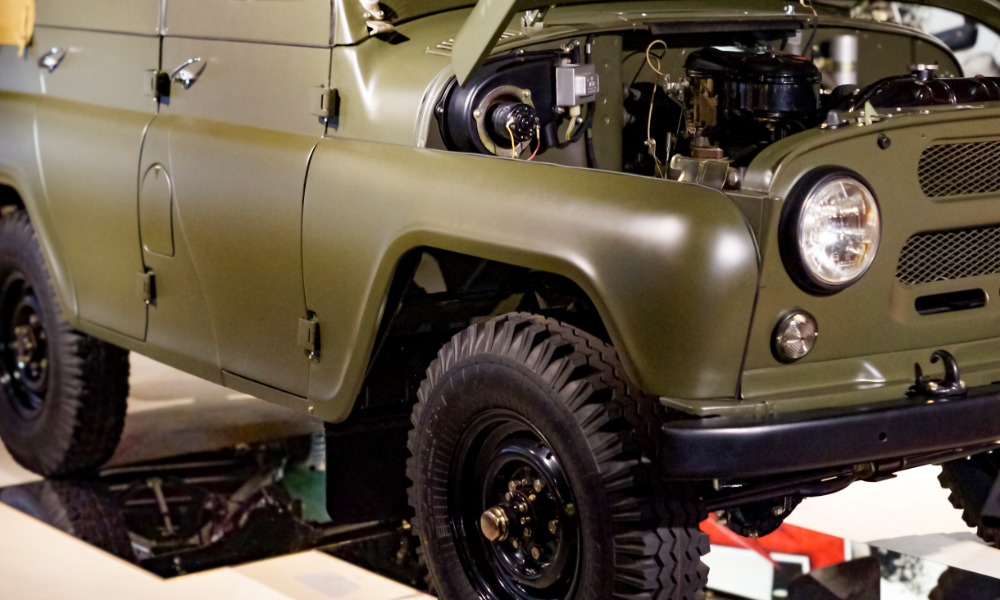
Vintage military Jeep electrical systems require careful attention, especially when decades of wear affect their reliability. Electrical issues can complicate restoration and maintenance work on vintage military Jeeps, including the WWII-era Willys MB and postwar M38. Understanding how these systems operate helps restorers identify faults without replacing components unnecessarily.
Why Won’t My Military Jeep Start?
A Jeep that refuses to start may have an electrical problem rather than an engine failure. A weak battery, corroded terminals, or a faulty starter switch can interrupt the current that the starter motor needs to turn the engine. Check the battery voltage and inspect the cable connections before investigating the starter itself.
If the engine cranks but refuses to fire, examine the ignition circuit instead. A faulty ignition coil or damaged distributor components can prevent the spark plugs from igniting the fuel mixture.
How Can I Identify Wiring Problems?
Old wiring harnesses typically develop brittle insulation, loose connections, or corrosion that interrupts electrical flow. When investigating a Jeep electrical systems question involving intermittent failures, start by examining the wiring around the affected component. Previous owners may also have modified the original harness, making accurate troubleshooting more difficult. Common warning signs include the following:
- Flickering headlights: Loose connections or poor grounds can interrupt electrical current.
- Intermittent ignition: Damaged wires or failing switches can disrupt ignition operation.
- Blown fuses: Short circuits or overloaded circuits can cause repeated failures on vehicles that use fuses.
- Discolored insulation: Excessive heat can damage wiring and increase fire risks.
Always disconnect the battery before repairing damaged wiring to prevent accidental short circuits or electrical shocks. Remove the negative battery cable first, then inspect the affected wires for damaged insulation, corrosion, or loose connections. Replace any compromised wiring with components that match your Jeep’s electrical system before reconnecting the battery and testing the repair.
Why Does My Jeep Battery Keep Losing Charge?
A battery that repeatedly loses charge may indicate a charging system malfunction. WWII-era MB and GPW Jeeps originally used 6-volt electrical systems with generators, while military M38 models used 24-volt systems. These differences make model-specific troubleshooting essential.
Check the generator output and voltage regulator according to the appropriate technical manual. Another common Jeep electrical systems question concerns battery drain while the vehicle sits idle, which may indicate an unintended electrical load.
Can I Convert My Jeep to a Different Voltage?
Some owners consider converting their original 6-volt systems to 12 volts for easier access to modern electrical accessories. However, the conversion requires compatible electrical components, including the charging equipment, ignition coil, and light bulbs.
Owners who prioritize historical accuracy often retain their Jeep's original configuration. Before ordering replacement wiring or L134 Go Devil engine parts for a related restoration project, confirm the vehicle's model and existing electrical setup.
Where Can I Find Compatible Electrical Parts?
Maintaining a dependable electrical system starts with identifying the correct components for your military Jeep. Original specifications and previous modifications should guide every replacement decision, particularly when restoring a vehicle to its period-correct configuration.
Army Jeep Parts helps enthusiasts find compatible electrical components for vintage military Jeep restorations. Contact us for assistance selecting the right parts and keeping your restoration on track.