

Your shopping cart is currently empty. This is the topic Named: emptycarttext. You edit this in the ADMIN site.
Preparing a Jeep Body for Show-Quality Paint (9/21/2026)
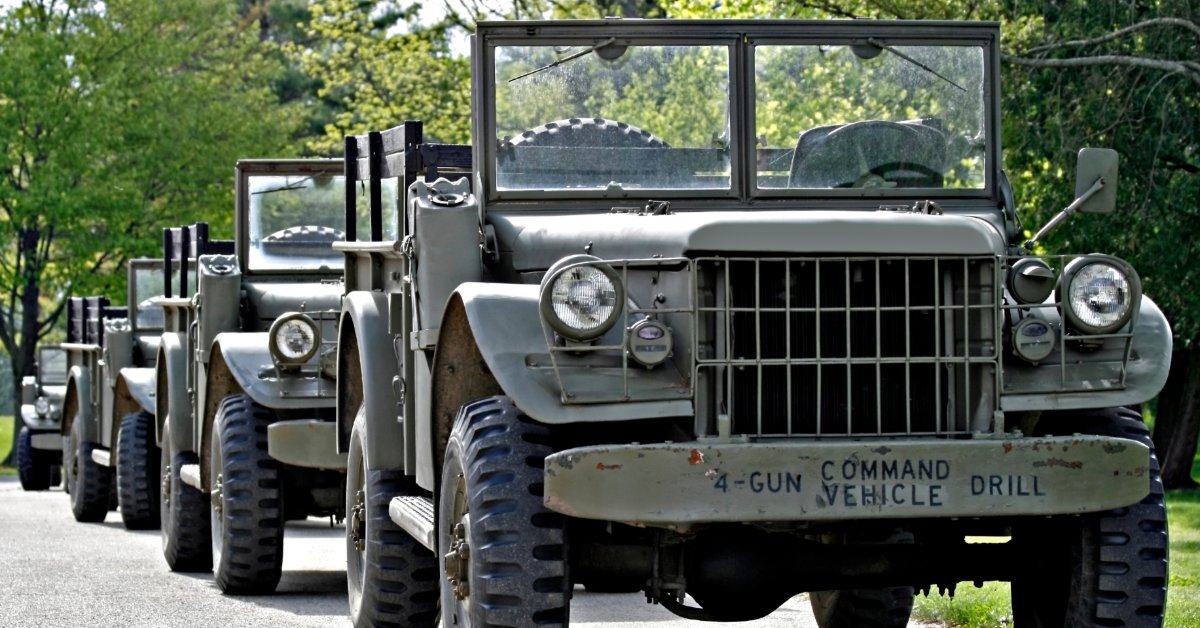
Fresh olive drab cannot hide rushed bodywork. Small dents, sanding scratches, and old repair seams often become more noticeable after an even coat of paint goes on. Preparing a Jeep body for show-quality paint starts with getting the tub sound and consistent before primer goes on. For a military restoration, careful workmanship matters more than chasing modern show-car gloss.
How Do You Expose and Evaluate the Body?
Strip away failing paint and filler so you can judge the metal itself. Remove undercoating and contamination, but work carefully around thin sheet metal because grinding or blasting can create distortion. Preserve factory holes and stamped details that matter for an authentic restoration.
Once the body is exposed, inspect for rust, dents, previous patches, and poor panel alignment. Test-fit replacement sheet metal before final surface preparation so you don't drill or trim after painting.
Pay close attention to:
- Hat channels and floor seams
- Tool box floors and body corners
- Welded repairs and panel transitions
- Mounting holes and bracket locations
- Low spots visible under directional light
How Do You Build a Uniform Paint Foundation?
Finish all metal repairs before final sanding and primer. Feather repaired areas smoothly into the surrounding steel, then remove sanding residue and surface oils that can interfere with adhesion. Under strong light, the body should look consistent before you move on.
Primer gives you another chance to catch shallow dents and rough welds. It can also reveal sanding marks missed on bare metal. Correct those defects before applying color, and use the same preparation standard across the tub and removable panels. Preparing your Jeep body for a show-quality finish depends more on even groundwork than on extra paint.
How Do You Protect the Final Prep Before Paint?
After the final sanding, treat the surface as finished work. Remove dust thoroughly and avoid touching prepared metal with bare hands. Keep masking materials and the spray area clean so residue or airborne debris does not compromise the finish.
At the same time, resist chasing the glass-smooth surface expected on a modern collector car. A WWII-era Jeep should still look like a military vehicle. Careful preparation should improve straightness and consistency while preserving the flat or lusterless character that suits the restoration.
How Do You Set Up a Show-Quality Finish?
The best paint jobs are decided before you load the spray gun. Careful metal repairs and consistent sanding give olive drab paint the foundation it needs, while the surface helps the finish hold up under close inspection. Good preparation also reduces the chance that old repairs will show through after the color goes on.
Before you commit to painting, make sure you sort out the body parts and restoration supplies you need. If you are sourcing Ford GPW Jeep parts or need help confirming model-correct components, contact Army Jeep Parts for guidance. Getting the right parts in place before applying any paint can help you avoid unnecessary rework later.