

Your shopping cart is currently empty. This is the topic Named: emptycarttext. You edit this in the ADMIN site.
How To Remove Old Paint From Jeep Body Panels (9/14/2026)
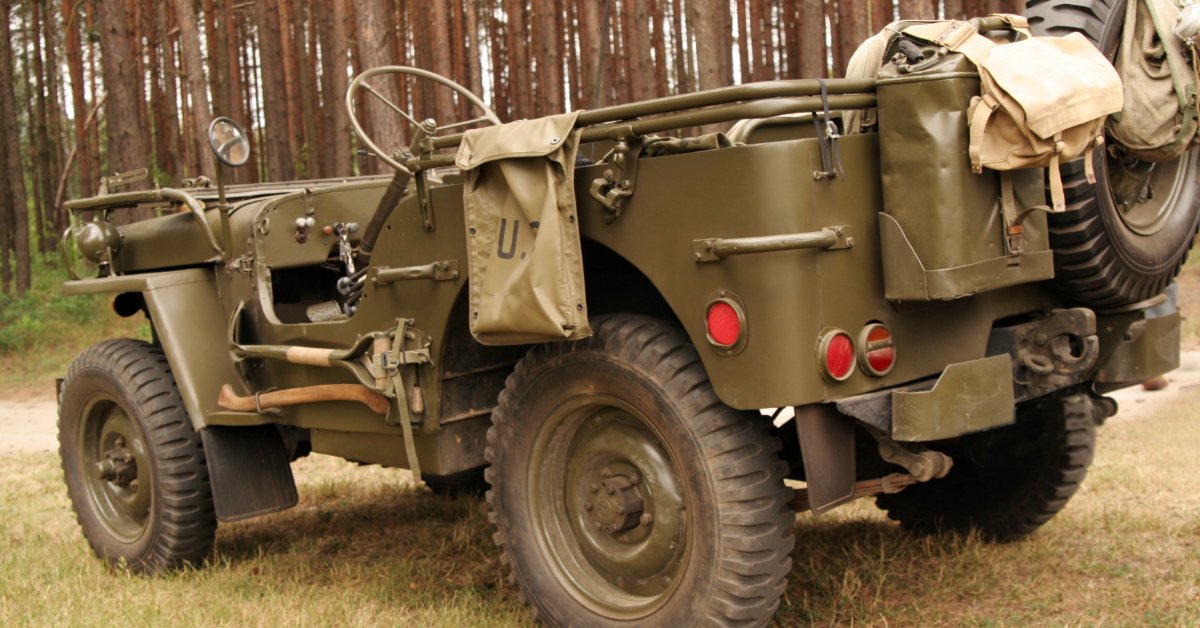
Old paint can tell you a great deal about a military Jeep before you strip the first panel bare. Beneath the visible finish, you may find earlier olive drab coats, body filler, old repairs, or corrosion that changes the direction of the restoration. Knowing how to remove old paint from Jeep body panels without damaging the sheet metal helps you preserve what is worth saving and identify what needs attention. The goal is not simply to reach bare steel—it is to uncover the panel carefully enough to make better restoration decisions afterward.
How Should You Evaluate the Panel Before Stripping?
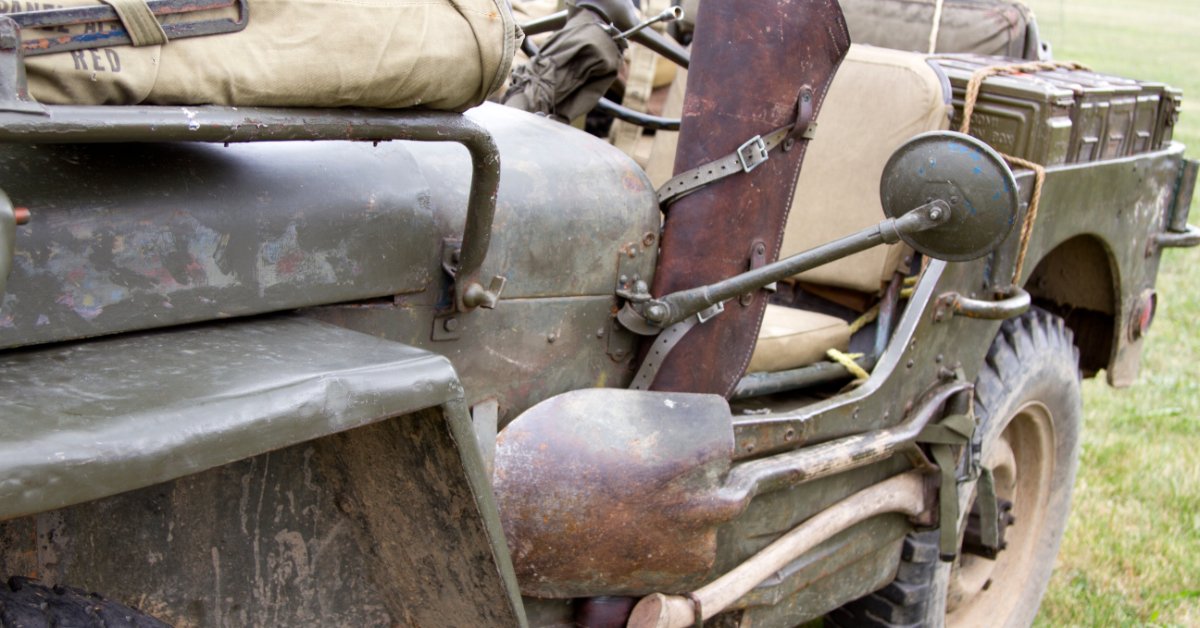
Start by studying the panel before you remove anything. Look for bubbling paint, flaking edges, visible rust, previous welds, and areas where the surface contour looks uneven. Those details can point to hidden filler or earlier repairs that may need a closer inspection once the coating is gone.
Pay particular attention to seams, mounting points, hat channels, and panel edges. Corrosion often develops where moisture and debris can remain trapped, so a surface that looks acceptable from the outside may be weaker underneath.
Take photos before stripping areas that show unusual paint layers, markings, or other details you may want to reference later. For a restoration focused on historical accuracy, that documentation can help when deciding how the Jeep should be refinished.
How Should You Choose the Right Paint Removal Method?
There is no single best stripping method for every Jeep body panel. A solid hood can tolerate a different approach than a thin floor section or rust-weakened body edge.
Mechanical stripping gives you good control on accessible surfaces. Hand scrapers, sanding equipment, and wire wheels can remove loose coatings efficiently when used with restraint.
Chemical removers can work well around contours and detailed areas where aggressive sanding is difficult. Follow the manufacturer’s safety and cleanup instructions carefully, then make sure residue is removed before primer preparation.
Media blasting can save time on widespread paint and corrosion, but thin vintage sheet metal requires careful handling. Excessive pressure or heat can warp a panel that was otherwise usable. If you cannot control the process, a shop familiar with older automotive bodies may be the better choice.
How Should You Prepare the Jeep Before Paint Removal?
Good stripping work starts with disassembly. Remove trim, lights, rubber pieces, data plates, and other components that could be damaged or block access.
Set up a work area where you can control debris and keep the surface clean as the job progresses. Old coatings may have unknown compositions, so use appropriate protective equipment and follow the handling instructions for the products involved.
A simple sequence helps keep the process controlled:
- Photograph existing paint layers, markings, and visible repairs.
- Remove hardware and components that interfere with access.
- Test your stripping method on a small, inconspicuous area.
- Work across one manageable section at a time.
- Clean and inspect the exposed steel before moving on.
That test area can save you from damaging an entire panel. It shows whether the coating will release cleanly and whether your chosen method is too aggressive for the steel underneath.
How Should You Protect the Sheet Metal While Stripping?
Vintage Jeep sheet metal calls for a careful approach. Once a grinder or aggressive abrasive starts cutting into the surface, it is easy to create low spots or soften stamped edges that should remain crisp. Use only enough pressure to remove the coating, keep the tool moving, and stop often to check your progress.
Edges and bolt holes deserve extra care because they can lose material quickly. The same applies to areas that have already been welded or repaired.
When filler, perforated rust, or an old patch appears, stop stripping long enough to evaluate it. Bare steel often reveals that a panel needs more than surface preparation. A repair that looked acceptable under several coats of paint may conceal corrosion around its perimeter.
This is where removing old paint from Jeep body panels becomes part of the larger restoration plan. Stripping lets you decide whether original steel can be repaired properly or whether a damaged section should be replaced before refinishing begins.
How Should You Inspect and Prepare the Bare Steel?
Once the coating is gone, clean the exposed surface thoroughly before judging its condition. Dust and stripping residue can hide small defects, while grease can interfere with later primer adhesion. Use cleaning products that are compatible with the primer and paint system you plan to apply.
Inspect the steel under strong lighting and from more than one angle. Look for pinholes and remaining rust, then check previous repair boundaries for cracking or poor fit. If metalwork is needed, complete it before moving forward with final surface preparation.
Avoid leaving clean bare steel exposed longer than necessary. Once repairs are finished and the surface is properly prepared, follow the primer manufacturer’s application requirements. Even a period-correct topcoat depends on sound preparation underneath.
How Should You Keep the Restoration Historically Consistent?
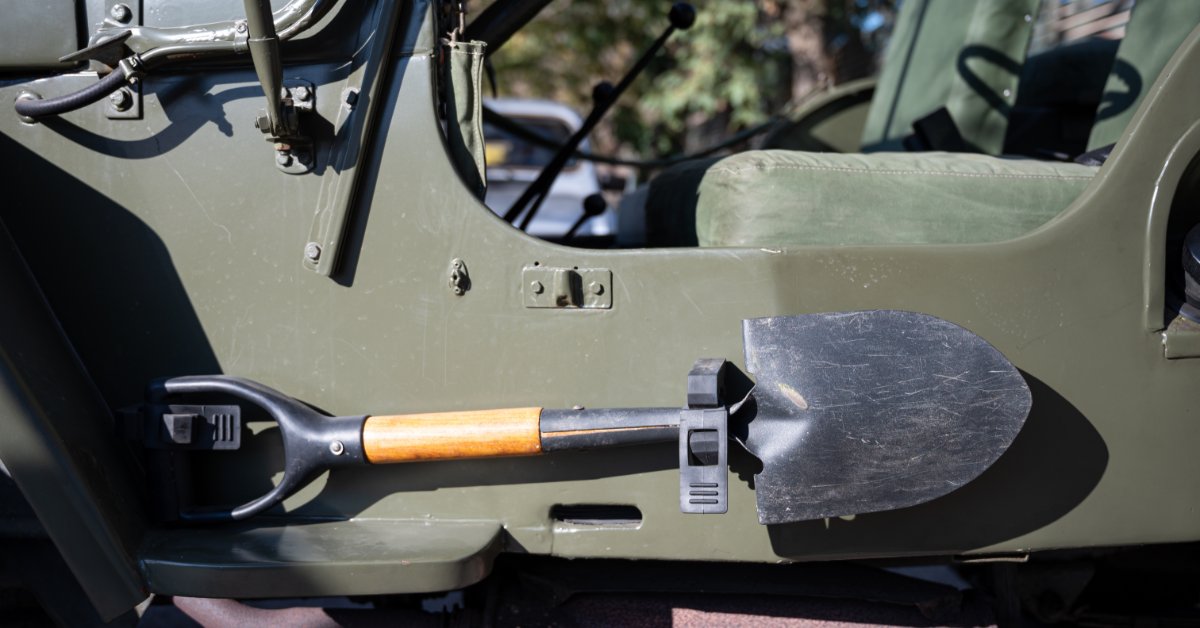
Paint removal is not only a cosmetic step on an MB, GPW, M38, or M38A1. It can expose details that help you understand what has been changed over the Jeep’s life and which components still belong with the original body. That information can influence later decisions about repairs, hardware, and the final finish.
Model identification matters before ordering replacement sheet metal or cutting away original metal. Select Jeep body parts for the correct model and configuration rather than assuming they interchange across military Jeep platforms. Confirm mounting details and fit before committing to a replacement panel.
The finish itself also needs to match the vehicle you are restoring. World War II (WWII) Jeeps and postwar M-series vehicles did not all use identical paint details or markings. Research the correct coating and appearance for the model and period instead of treating every military Jeep finish as interchangeable.
Historical consistency does not mean keeping every previous repair simply because it is old. It means making informed choices about what belongs on the vehicle and what should be corrected or replaced.
How Can Careful Paint Removal Improve the Final Restoration?
A proper military Jeep finish starts well before the first coat of primer. Careful paint removal protects usable sheet metal, exposes previous repair work, and lets you see the body's actual condition. From there, you can make repair and replacement decisions based on what the steel needs rather than what several layers of paint were hiding.
If that inspection shows that replacement metal is needed, getting the correct fit matters before any cutting or fitting begins. Whether you need M38A1 Jeep body parts or other restoration components, Army Jeep Parts can help you identify parts that match your vehicle and restoration needs. Contact our team for help selecting the right components before you move into the next stage of the project.