

Your shopping cart is currently empty. This is the topic Named: emptycarttext. You edit this in the ADMIN site.
GPW vs. Willys MB Engine: Which Is Better? (9/11/2026)
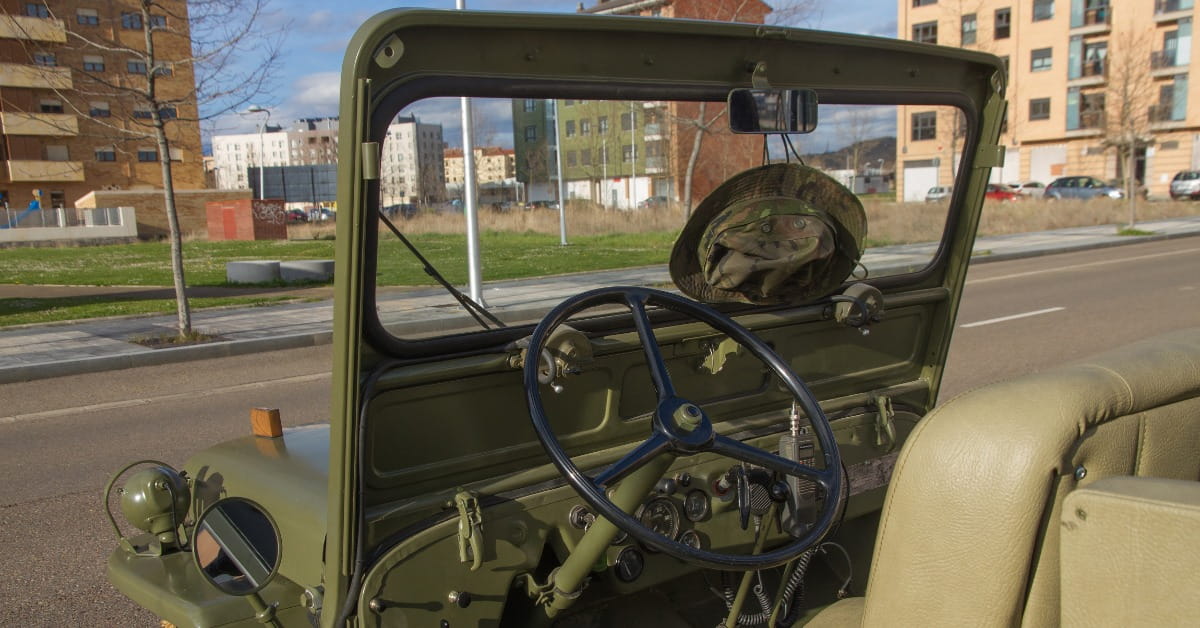
A Ford GPW and a Willys MB may share the same basic engine design, but that does not make every surviving engine equally suited to a restoration. When comparing a GPW vs. Willys MB engine, the better choice depends less on performance differences and more on its current condition and historical accuracy. Both Jeeps used the 134.2-cubic-inch L-head four-cylinder engine design, giving restorers plenty of mechanical common ground. The details matter more when the goal is a period-correct configuration.
What Do the GPW and MB Engines Share?
The Willys L134 “Go Devil” provided the basic engine design used in both the MB and GPW. Ford produced GPW engines to military specifications, so the two versions share the same fundamental layout and operating principles. That standardization also made many service parts interchangeable during wartime maintenance.
For a Jeep built mainly for reliable driving, the manufacturer name on the block does not automatically determine which engine is better. Block condition, previous machine work, and rebuild quality have a much greater effect on how the finished engine performs. A sound GPW engine and a sound MB engine can both provide dependable service when rebuilt to the proper specifications.
What Sets the GPW and MB Engines Apart?
The distinction becomes more important when authenticity is part of the restoration goal. GPW engines carry Ford-specific identification, while MB engines use Willys identification. Those details matter on a factory-focused restoration where the engine should match the vehicle’s manufacturer and production history.
Before committing to a rebuild, document what is actually in the Jeep. Check:
- The engine serial number and prefix
- The manufacturer markings on the block
- The vehicle model and production details
- Evidence of earlier repairs or replacement components
The GPW vs. Willys MB engine question therefore has a different answer for a show-focused restoration than for a Jeep built primarily to drive. A manufacturer-correct engine supports historical accuracy, while a mechanically sound replacement may make sense when authenticity is not the main objective.
What Should You Check Before Rebuilding?
Do not order internal engine parts based only on the Jeep model. Decades of repairs and machine work can leave a block with oversized cylinders or an altered crankshaft, so measurements need to come first. Inspect the major components and compare the results with the applicable technical specifications before selecting parts.
A Willys L134 engine rebuild kit should match the engine’s actual condition and machining requirements. Confirm the bore and crankshaft dimensions first, then verify the gasket and bearing requirements needed for assembly. That reduces the chance of ordering components that do not match previous machine work.
Which Engine Is Better for Your Restoration?
Neither engine is automatically better in every Jeep. For a period-correct GPW or MB, the manufacturer-correct engine is the stronger choice because it preserves more of the vehicle’s original character. For a daily or weekend driver, the condition and rebuild quality may matter more than the name stamped on the block.
If you are getting ready to rebuild an MB or GPW engine, Army Jeep Parts can help you sort out the parts before the engine goes back together. Contact our team with your Jeep model, engine identification, and known machine-work details for help selecting compatible restoration components.